
Three-Season Sunrooms
Affordable outdoor living space perfect for spring, summer, and fall in Cedar Park.
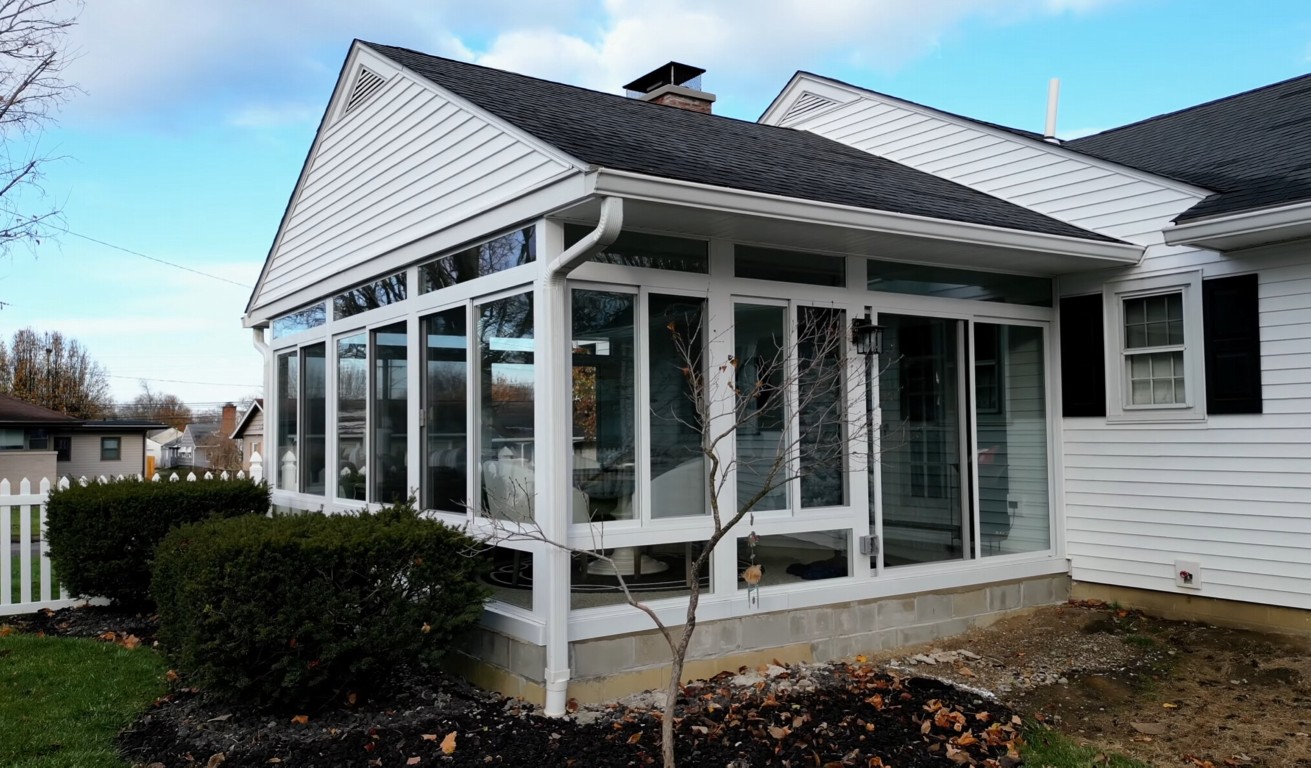
A three-season sunroom gives you a comfortable outdoor space without the full expense of a year-round addition. These rooms are designed for use during spring, summer, and fall when Texas weather is more moderate. You get protection from bugs, rain, and wind while still enjoying plenty of natural light and fresh air.
Three-season sunrooms cost less to build than four-season rooms because they don't require full insulation or climate control integration. That makes them a smart choice if you want to expand your living space on a budget. You'll still get a beautiful room with plenty of windows and comfortable furniture. You just won't use it as much during the coldest or hottest weeks of the year.
How Three-Season Sunrooms Are Built
The construction process for a three-season sunroom is simpler than a four-season build, but it still needs to be done right. These rooms face weather year-round even if you're not using them in extreme temperatures, so proper framing and weatherproofing matter.
Here's what goes into a typical three-season sunroom:
- •Single-pane or double-pane windows: Provide visibility and light without the cost of high-performance insulated glass
- •Aluminum or vinyl framing: Durable materials that handle weather exposure and require minimal maintenance
- •Basic insulation: Minimal or no insulation in walls and roof, which keeps costs down
- •Weatherproof roofing: Shingle, metal, or polycarbonate roof that sheds water and provides shade
- •Electrical outlets: Basic wiring for lights, fans, and small appliances
Some homeowners add portable heating or cooling units to extend the usable season. A ceiling fan helps during warm months, and a space heater can make the room comfortable on cooler mornings. These options give you flexibility without the expense of full HVAC integration.
Best Uses for Three-Season Sunrooms
Three-season sunrooms work great for activities you enjoy during pleasant weather. Many of our Cedar Park sunroom clients use them as casual dining areas, reading nooks, or spots to relax with morning coffee. They're perfect for hobbies like painting, crafts, or indoor gardening where you want natural light and a connection to the outdoors.
These rooms also make excellent entertaining spaces. When you're hosting a barbecue or family gathering, your three-season sunroom gives guests a comfortable place to sit without crowding your main living areas. You can set up extra seating, put out snacks and drinks, and let people move between indoor and outdoor spaces easily.
If you have kids or pets, a three-season sunroom creates a transitional zone between your home and yard. It's a spot where muddy shoes, wet towels, and outdoor toys can stay without making a mess in your main house. You get the benefits of outdoor play without tracking dirt through your kitchen.
Comparing Three-Season vs Four-Season Options
Choosing between a three-season and four-season sunroom depends on your budget, how you plan to use the space, and how important year-round comfort is to you.
Cost Difference
Three-season sunrooms typically cost 30-50% less than four-season rooms. You're saving on insulation, high-performance windows, and HVAC work. If your budget is tight or you're not sure how much you'll use the space, starting with a three-season room makes sense. You can always upgrade later if you decide you want year-round comfort.
Comfort and Usability
A four-season sunroom stays comfortable no matter what the weather does. A three-season room feels great during moderate temperatures but gets too hot or cold during extreme weather. In Cedar Park, that means you'll probably avoid using it during the hottest part of summer and the coldest winter days.
Energy Efficiency
Since three-season sunrooms aren't climate controlled, they don't affect your energy bills the same way four-season rooms do. You're not heating or cooling the space, so there's no ongoing cost. However, if the room connects directly to your house, you may lose some heating and cooling efficiency through the connecting door.
If you're still deciding which option fits your needs, we can walk you through both choices and help you pick the right one. We also offer screen room installations as an even more affordable alternative.
Customization and Design Choices
Even though three-season sunrooms are simpler than four-season builds, you still have plenty of design options. The goal is to create a space that looks good, functions well, and fits your home's style.
You can choose different window configurations based on how much visibility you want. Floor-to-ceiling glass maximizes views and natural light. Knee-wall designs with windows above give you more privacy and wall space for furniture. We can also add operable windows so you can let fresh air in when the weather is nice.
Roof style matters too. A gable roof matches traditional home architecture. A shed roof works well when you're building against an existing wall. Polycarbonate or glass roof panels let in even more light, though they can make the room warmer on sunny days.
For flooring, consider materials that handle temperature swings and occasional moisture. Tile, vinyl, and stained concrete all work well. If you want something softer underfoot, outdoor-grade carpet or area rugs add comfort without requiring high maintenance.
Ready to Add a Three-Season Sunroom?
Let's talk about your project and design an affordable sunroom that fits your home.
Call (512) 729-9017